Cell and gene therapy future prospective

Cell and gene therapy future prospective

Cell and gene therapies represent revolutionary approaches in the field of medicine, offering promising avenues for treating a myriad of diseases at their core genetic and cellular levels. With rapid advancements in biotechnology and our deepening understanding of genetics, the future of healthcare is poised to be transformed by these innovative therapies. This essay explores the future prospects of cell and gene therapy, envisioning a landscape where personalised medicine becomes the norm, and previously untreatable conditions are conquered.

History

The history of cell and gene therapy is a fascinating journey marked by significant scientific breakthroughs, setbacks, and remarkable advancements. Here’s an overview of key milestones in the development of these innovative therapies:

Early Exploration (1970s-1980s):

In the 1970s, the groundwork for cell and gene therapy was laid through foundational discoveries and early experiments that set the stage for future advancements in the field. While the term “gene therapy” had not yet been coined, researchers began to explore the potential of manipulating genetic material for therapeutic purposes. Here are some notable events and developments from the 1970s that contributed to the history of cell and gene therapy,

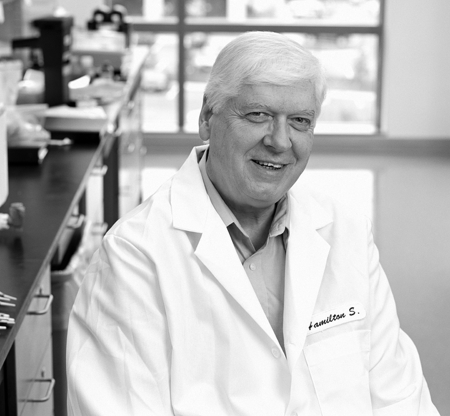
Hamilton O. Smith and Kent W. Wilcox (1970) discovered the first restriction enzyme, HindII, while studying the bacterial immune system. This breakthrough paved the way for the manipulation and analysis of DNA, which would later become instrumental in genetic engineering techniques used in gene therapy. In 1971, Werner Arber, Daniel Nathans, and Hamilton O. Smith independently isolated the first restriction enzyme, HindII (later renamed HindIII), from the bacterium Haemophilus influenzae. This enzyme could specifically cut DNA at particular sequences, enabling scientists to manipulate DNA for various applications, including gene cloning and sequencing.

Arthur Kornberg and colleagues discovered DNA ligase in 1971, an enzyme capable of joining together DNA fragments. DNA ligase played a crucial role in early genetic engineering experiments by allowing researchers to insert foreign DNA into plasmids, a key step in recombinant DNA technology.

In 1972, Theodore Friedmann and Richard Roblin published a seminal paper in the journal Science titled “Gene Therapy for Human Genetic Disease?” In this paper, they proposed the concept of using genetic material to treat inherited diseases, laying the theoretical foundation for gene therapy. The development of recombinant DNA technology by researchers like Paul Berg who successfully combined DNA from two different organisms, and seminal work by Stanley Cohen, and Herbert Boyer in the early 1970s paved the way for gene cloning and the creation of genetically engineered organisms, laying the groundwork for future gene therapy approaches.

The United Kingdom also played a significant role in the early development of cell and gene therapy, particularly through pioneering research and scientific contributions that laid the groundwork for future advancements in the field In 1973, the University of Edinburgh hosted the landmark Gordon Conference on Nucleic Acids, where scientists discussed recent advances in molecular genetics, including the emerging field of recombinant DNA technology. Scientists like Richard Roberts and Phillip Sharp at the University of Cambridge made key discoveries related to the splicing of RNA, which would later have implications for gene therapy approaches targeting genetic diseases.

As genetic research progressed, researched in the UK started the, discussions about the ethical implications of genetic engineering and potential risks associated with gene therapy interventions began to emerge, laying the groundwork for the establishment of ethical guidelines and regulatory frameworks in subsequent decades.

The first gene therapy trial was conducted in 1980 by Martin Cline, who attempted to treat a patient with a genetic blood disorder called beta-thalassemia using genetically modified cells. Although the trial was unsuccessful, it paved the way for future research in the field.

While the 1970s primarily laid the groundwork for the field of gene therapy through foundational discoveries and theoretical proposals, it wasn’t until the following decades that experimental research and clinical trials began in earnest, leading to the development of the first gene therapy techniques and treatments.
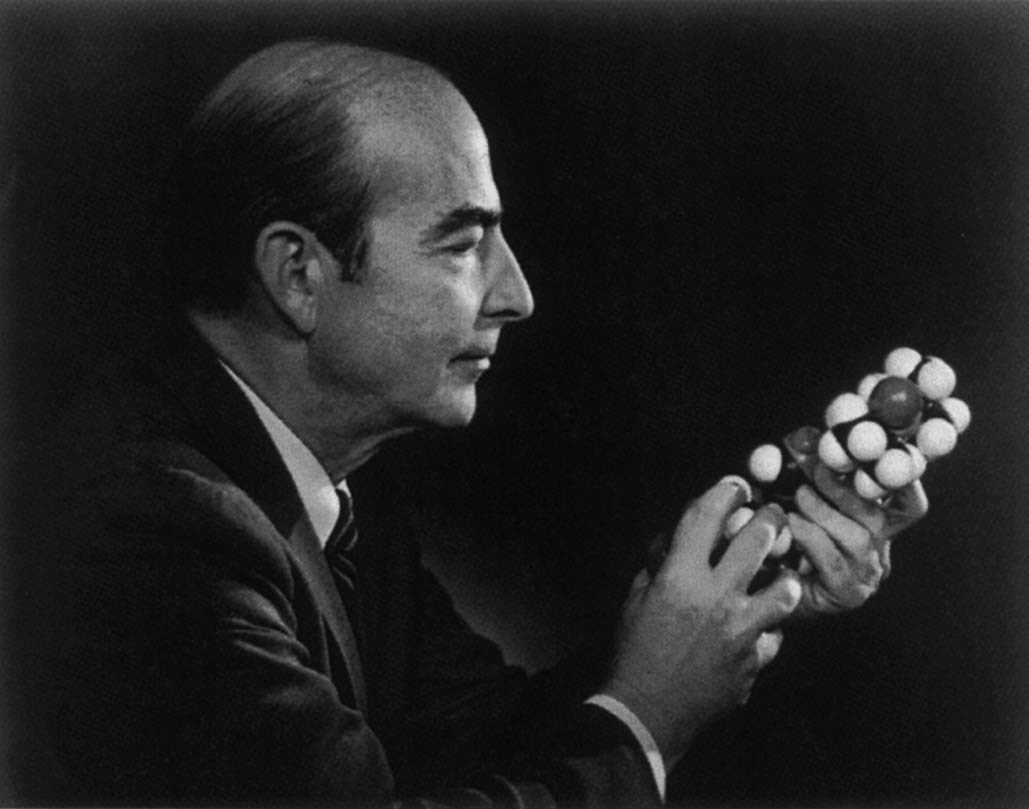
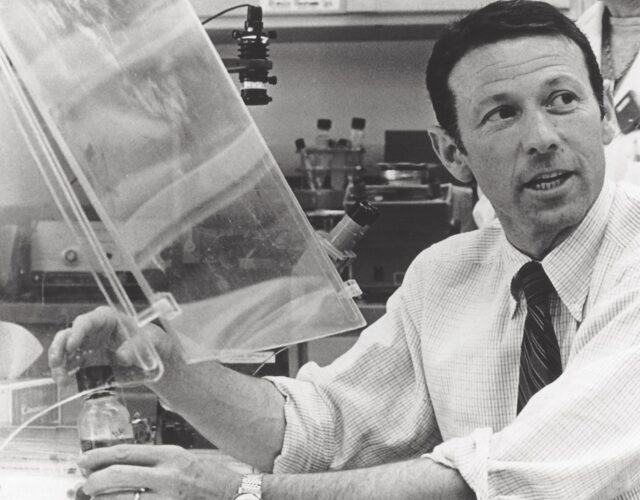
Hamilton O. Smith
Arthur Kornberg
Paul Berg

Development of Viral Vectors (1980s-1990s):

During the 1980s, significant progress was made in the field of cell and gene therapy, laying the foundation for future clinical applications and advancements. Here are some key events and developments from that decade:

The development of viral vectors, such as retroviruses and adenoviruses, revolutionised gene therapy by providing efficient delivery systems for introducing therapeutic genes into target cells. Retroviruses, such as murine leukemia virus (MLV), were modified to serve as vectors capable of efficiently delivering therapeutic genes into target cells. These advancements paved the way for future gene therapy trials using viral vectors. Also, the term “gene therapy” was first coined in the 1980s to describe the concept of using genetic material to treat or cure diseases. Scientists and clinicians began to recognize the potential of gene therapy as a novel approach to treating genetic disorders, cancer, and other diseases at their root genetic causes.

Furthermore, in 1980s, researchers achieved significant breakthroughs in the creation of transgenic animals, which carried foreign genes deliberately inserted into their genomes. These genetically modified animals served as valuable models for studying gene function, disease mechanisms, and potential gene therapy approaches. As gene therapy research progressed, ethical and regulatory considerations became increasingly important. Scientists and policymakers engaged in discussions about the potential risks and benefits of gene therapy, as well as the ethical implications of manipulating human genetic material. These discussions laid the groundwork for the development of ethical guidelines and regulatory frameworks governing gene therapy research and clinical trials.

While PCR was invented in the United States in the 1980s by Kary Mullis, its widespread adoption and further refinement involved contributions from scientists worldwide, including those from the UK. British researchers played important roles in optimising PCR protocols, developing new PCR reagents, and applying PCR techniques to various fields of research. The development of PCR significantly facilitated gene cloning and amplification efforts. British scientists were instrumental in the development of plasmid cloning vectors, which are circular DNA molecules that can replicate independently of the host genome. Plasmids served as essential tools for cloning and amplifying genes of interest. Research groups led by scientists like Sydney Brenner and Richard Durbin at the MRC Laboratory of Molecular Biology in Cambridge contributed to the development of plasmid cloning vectors.

In 1990, the first successful gene therapy trial was reported by W. French Anderson and his collaborative team of British researchers, who treated a patient with severe combined immunodeficiency (SCID) using a retroviral vector to deliver a functional copy of the defective gene.

George Dickson, a molecular biologist, conducted research in the 1980s that contributed to the development of gene therapy strategies for muscular dystrophy. His work focused on the delivery of therapeutic genes to muscle cells using viral vectors, laying the groundwork for future preclinical and clinical studies in the field.

Overall, the 1980s were a formative period in the history of cell and gene therapy, marked by pioneering research, technological advancements, and the birth of a new field aimed at harnessing the power of genetics to treat human diseases. While significant challenges remained, including safety concerns and technical limitations, the groundwork laid during this decade paved the way for future progress and clinical applications in gene therapy.


Kary Mullis
W. French Anderson
Molecular biology

Molecular biology

Molecular biology is a discipline that has revolutionised our understanding of life at the most fundamental level. By investigating the interactions and processes that occur within biological molecules, molecular biologists have unveiled the intricate mechanisms governing the structure, function, and regulation of cells. 

The field of molecular biology emerged in the mid-20th century as a multidisciplinary science that explores the biological phenomena at the molecular scale. It unites principles from genetics, biochemistry, and cell biology to decipher the blueprint of life encoded within the DNA, and how it directs the cell’s activities to maintain life and perpetuate genetic information. By investigating the interplay of biomolecules, molecular biologists have provided deep insights into the complex mechanisms that govern living organisms.

Historical Developments:

The historic foundation to molecular biology originated in the 1930s and 40s, making it a relatively new scientific field and arose from the convergence of work by geneticists, physicists, and structural chemists on a common problem: the nature of inheritance. Warren Weaver, director of the Division of Natural Sciences at the Rockefeller Foundation, coined the term “molecular biology” in 1938 in a report for the Foundation. Weaver and others encouraged research at the intersection of biology, chemistry and physics, while prominent physicists such as Niels Bohr and Erwin Schrödinger turned their attention to biology to explain the biochemical and biophysical basis of life. For Schroedinger, biology was to be reduced to the more fundamental principles of physics, while Max Delbrueck instead resisted such a reduction and sought what made biology unique. The former student of Thomas Morgan’s, Hermann J. Muller shift from Mendelian genetics to the study of gene structure raised  the question of the relation between the gene concepts found in those separate fields of genetics. And the import of experimental methods from physics to biology raised the question of the relation between those disciplines. Also, during the period between 1930s to 40s, other emerging cross-disciplinary fields such as colloid chemistrybiophysics and radiation biologycrystallography, have aided the development of molecular biology as a field of it’s own right. 

The formal foundations of molecular biology were laid with the discovery of the DNA double helix structure by Watson and Crick in 1953. This breakthrough unlocked the key to understanding how genetic information is stored and replicated. Subsequent advances in molecular biology, such as the elucidation of the genetic code and the discovery of DNA polymerases and RNA polymerases, paved the way for molecular genetics.

In the 1970s, the development of recombinant DNA technology, commonly known as genetic engineering, enabled scientists to manipulate and transfer genetic material between different organisms. This revolutionary technique has since had a profound impact on various fields, from agriculture to medicine.

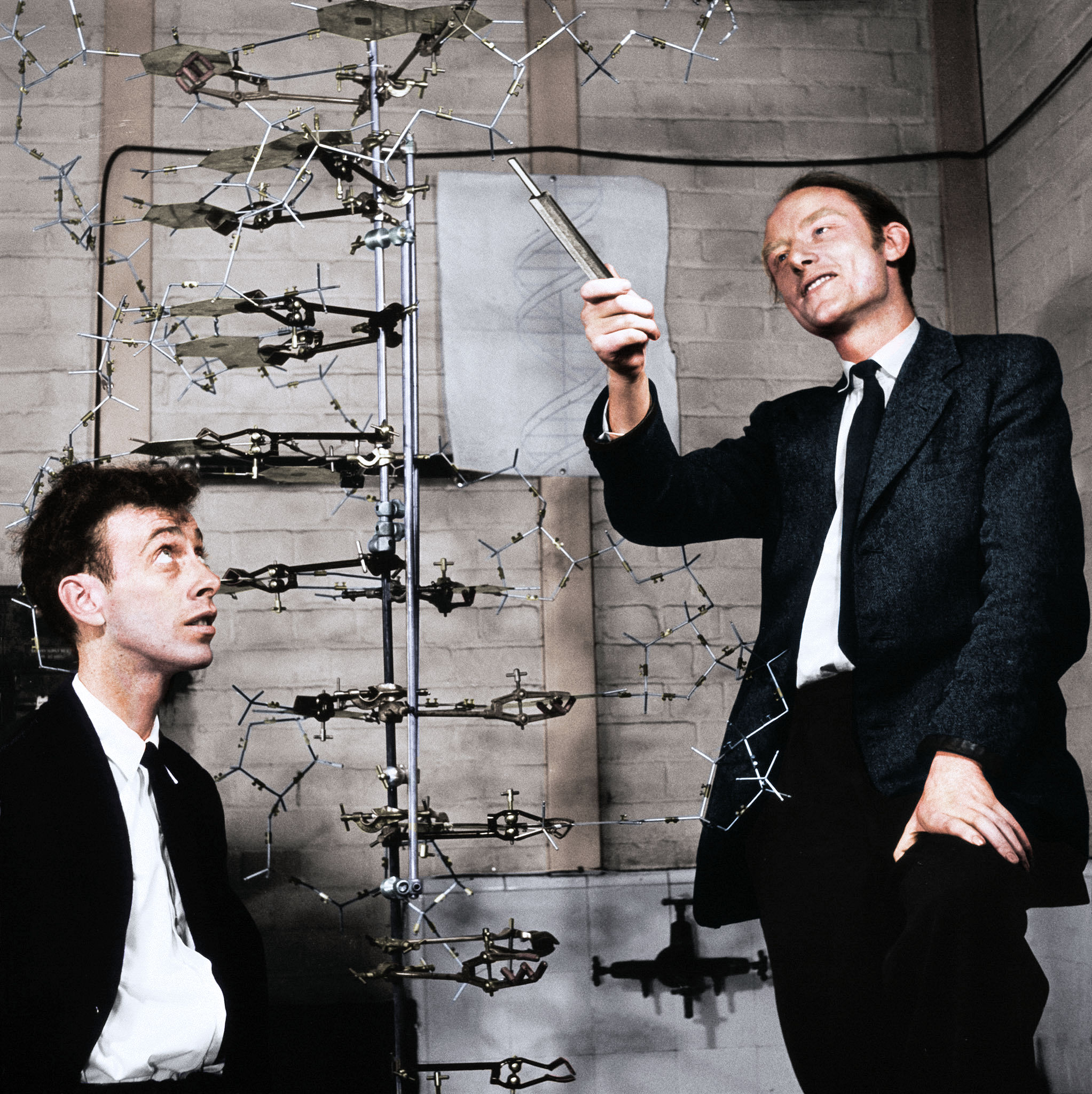
The discoverers of the structure of DNA. James Watson (b.1928) at left and Francis Crick (b.1916), with their model of part of a DNA molecule in 1953. Crick and Watson met at the Cavendish Laboratory, Cambridge, in 1951. Their work on the structure of DNA was performed with a knowledge of Chargaff’s ratios of the bases in DNA and some access to the X-ray crystallography of Maurice Wilkins and Rosalind Franklin at King’s College London. Combining all of this work led to the deduction that DNA exists as a double helix. Crick, Watson and Wilkins shared the 1962 Nobel Prize for Physiology or Medicine, Franklin having died of cancer in 1958. Credit: A. Barrington Brown / Photo Researchers, Inc..

The Central Dogma of Molecular Biology: Decoding Life’s Blueprint

The Central Dogma of Molecular Biology is a foundational principle that underpins our understanding of the flow of genetic information within living organisms. Coined by Nobel laureate Francis Crick in 1958, the Central Dogma outlines the essential processes of DNA replication, transcription, and translation, shaping the way molecular biologists comprehend the intricacies of life. This essay delves into the significance ofthe Central Dogma, elucidating its core components and their crucial role in maintaining and propagating life.

The Central Dogma’s Components:

DNA Replication: DNA (deoxyribonucleic acid) is the hereditary material carrying genetic instructions that define an organism’s traits. Before cell division or reproduction, DNA must be faithfully copied to ensure the accurate transmission of genetic information to the next generation. DNA replication occurs during the cell cycle, involving the unwinding of the double helix and the synthesis of two identical daughter DNA strands, each complementary to one of the original parental strands.

Transcription: The process of transcription occurs in the cell nucleus, where the genetic information encoded in DNA is used to synthesize RNA (ribonucleic acid). RNA serves as a messenger, carrying the genetic code from the nucleus to the cytoplasm, where it participates in protein synthesis. During transcription, an enzyme called RNA polymerase reads the DNA template and synthesizes a complementary RNA strand, resulting in a messenger RNA (mRNA) molecule.

Translation: The final step of the Central Dogma is translation, which takes place in the cell’s cytoplasm. Translation involves converting the genetic code carried by mRNA into a functional protein. This process occurs at the ribosomes, where transfer RNA (tRNA) molecules bring specific amino acids to the ribosome based on the codons (three-nucleotide sequences) on the mRNA. The ribosome links these amino acids together, forming a polypeptide chain that folds into a functional protein.

The Significance of the Central Dogma: The Central Dogma represents a fundamental paradigm in molecular biology and serves as a guiding principle for understanding the molecular basis of life. It highlights the unidirectional flow of genetic information, with DNA acting as the stable repository of genetic instructions that is faithfully copied during cell division. This ensures the genetic continuity across generations, maintaining the genetic identity of organisms.

Additionally, the Central Dogma emphasizes the centrality of proteins as the key players in cellular functions. Proteins, synthesized through translation, carry out essential roles in catalyzing biochemical reactions, providing structural support, regulating gene expression, and facilitating communication within and between cells. Understanding the relationship between DNA, RNA, and proteins is vital for comprehending the molecular basis of diseases, cellular development, and evolutionary processes.

Expanding the Central Dogma: While the Central Dogma provided an initial framework for understanding genetic information, subsequent discoveries have expanded its scope. It has become evident that RNA can also play catalytic roles, acting as enzymes known as ribozymes. Moreover, some viruses can reverse the flow of genetic information through reverse transcription, converting RNA into DNA, challenging the strict unidirectionality originally described by the Central Dogma.

Key Concepts and Mechanisms:

Molecular biology investigates the essential biological processes, including DNA replication, transcription, and translation, that govern cellular activities. The central dogma of molecular biology, proposed by Francis Crick, describes the flow of genetic information from DNA to RNA to protein, with each step regulated by specific enzymes and factors.

The study of gene regulation is another crucial aspect of molecular biology. It involves the investigation of how cells control the expression of genes in response to internal and external signals. Understanding gene regulation has broad implications, as it underpins the development of multicellular organisms, cellular differentiation, and response to environmental cues.

Applications in Biotechnology:

The practical applications of molecular biology in biotechnology have been monumental. Genetic engineering has enabled the production of genetically modified organisms (GMOs) with enhanced traits, leading to increased crop yields, disease resistance, and improved nutritional content.

Additionally, the advent of molecular cloning techniques has facilitated the production of valuable therapeutic proteins, such as insulin and growth hormones, through the use of recombinant DNA technology. This has revolutionized medicine and led to the development of numerous biopharmaceuticals that have saved countless lives.

Medical Impact:

Molecular biology has transformed medical research and diagnosis. Techniques like the polymerase chain reaction (PCR) allow the amplification of specific DNA sequences, aiding in the detection of infectious agents, genetic disorders, and cancer markers. The identification of disease-causing mutations at the molecular level has empowered personalized medicine, enabling tailored treatments for individuals based on their genetic makeup.

Furthermore, advancements in genomics and proteomics have provided a deeper understanding of the genetic basis of diseases, leading to the discovery of potential therapeutic targets and the development of precision medicine approaches.

Conclusion:

Molecular biology has played a pivotal role in unlocking the secrets of life at the cellular level. Through the investigation of DNA, RNA, and proteins, molecular biologists have uncovered the mechanisms that govern biological processes and their regulation. This knowledge has not only broadened our understanding of life but also led to numerous practical applications in biotechnology and medicine. As technology continues to advance, molecular biology remains at the forefront of scientific discovery, promising a future of exciting breakthroughs and transformative impact on our society.

Who is a scientist?

Who is a scientist?

The term “scientist” is a relatively modern construct, born out of centuries of intellectual and philosophical evolution. The journey to define the identity of a scientist spans diverse historical contexts, reflecting the changing perceptions of knowledge, empirical inquiry, and the scientific method.

Ancient Philosophers and Natural Philosophers:

In the ancient world, the boundaries between what we now call science, philosophy, and natural philosophy (a precursor to science) were blurred. Philosophers like Aristotle and Pythagoras engaged in systematic inquiries into the natural world, seeking explanations for various phenomena. They laid the groundwork for empirical observation and rational thinking, but the pursuit of knowledge during this period was not confined to the realm of specialised scientists.

Medieval Scholars and the Emergence of Universities:

During the Middle Ages, the pursuit of knowledge shifted from individual philosophers to centers of learning known as universities. These institutions brought together scholars from diverse fields, including theology, philosophy, and the natural sciences. However, the distinction between what constituted a “scientist” and other scholars remained nebulous, with no specific designation for those dedicated solely to scientific pursuits.

The Scientific Revolution and the Rise of Modern Science:
The 16th and 17th centuries marked a transformative period known as the Scientific Revolution. Visionary figures like Nicolaus Copernicus, Galileo Galilei, Johannes Kepler, and Isaac Newton broke away from traditional dogma and embraced empirical experimentation and mathematical principles. The systematic application of the scientific method, along with the formulation of natural laws, heralded the emergence of modern science.

The Birth of the Term “Scientist”:

The term “scientist” itself was coined in the 19th century by Reverend William Whewell. He introduced it to distinguish those who pursued scientific inquiries from artists and philosophers. Previously, individuals conducting scientific investigations were referred to as “natural philosophers,” a term dating back to ancient times. The introduction of the term “scientist” marked a significant shift in how society perceived and classified those dedicated to the study of nature and the natural world.

Specialisation and Professionalisation of Science:

As scientific knowledge expanded and diversified, so did the number of scientific disciplines. The 19th and 20th centuries witnessed the professionalization of science, with researchers becoming increasingly specialized in their fields of study. The scientific community evolved, embracing rigorous education, peer-reviewed publications, and formal institutions dedicated to scientific research and education.

Contemporary Notions of a Scientist:

In the 21st century, the identity of a scientist is shaped by a combination of education, research, and engagement with society. Scientists are professionals with advanced degrees, working in academia, industry, government, or non-profit organizations. They are committed to the pursuit of empirical knowledge, employing the scientific method to answer questions and solve problems. Moreover, modern scientists are not only specialists in their fields but also collaborators across disciplines, recognizing the interconnectedness of scientific knowledge.

Conclusion:

The concept of a scientist has evolved significantly throughout history, from the natural philosophers of ancient times to the specialized professionals of today. The journey to define the identity of a scientist reflects the changing nature of human inquiry, intellectual pursuits, and societal values. As we continue to explore the natural world and unravel its mysteries, the role of the scientist remains pivotal, driving progress, innovation, and our collective understanding of the universe.